Brushing a Siberian Husky Every Day for Six Weeks
If you're living with a Siberian Husky, you know that twice a year, your house transforms into a fur-filled wonderland – or perhaps more accurately, a nightmare of flying fluff. The "coat blow," where your Husky sheds its entire undercoat in preparation for new growth, is a truly overwhelming event for many owners. This comprehensive guide will walk you through the necessity and technique of brushing your Siberian Husky every single day for six weeks during these intense periods, helping you keep the fur under control and your sanity intact.
Understanding the Siberian Husky Coat Blow Cycle
Let's be real, the Siberian Husky isn't just "shedding" in the casual way a Labrador might. What they do is called a "coat blow," and it's a phenomenon that truly tests the dedication of any Husky owner. This isn't just a few stray hairs; it's a complete turnover of their dense, insulating undercoat, and it happens reliably twice a year, usually in spring and fall, coinciding with seasonal temperature changes.
The Seasonal Shedding Spectacle
Imagine a snowstorm, but instead of white flakes, it's a blizzard of soft, downy undercoat. That's a Siberian Husky coat blow. This process, which can last anywhere from four to eight weeks, but is typically intense for about six, is nature's way of preparing your dog for the upcoming weather. In spring, they drop their heavy winter insulation to make way for a lighter summer coat. In the fall, they shed their summer coat to allow for the growth of a thicker, denser winter layer. It's a marvel of adaptation, but for us humans sharing a home with them, it can feel like a never-ending battle against tumbleweeds of fur. You might wake up one morning and notice what looks like a sheep exploded in your living room, even though your Husky was perfectly fine the night before. This sudden, dramatic shedding is what makes it so challenging and requires a dedicated approach. It's not uncommon for owners to joke that they could knit a whole new dog from the fur collected during this time! This intensive period is precisely why Siberian Husky Coat Blow and the Six Weeks It Lasts is such a critical topic for every Husky parent.
Why Daily Brushing Becomes Non-Negotiable
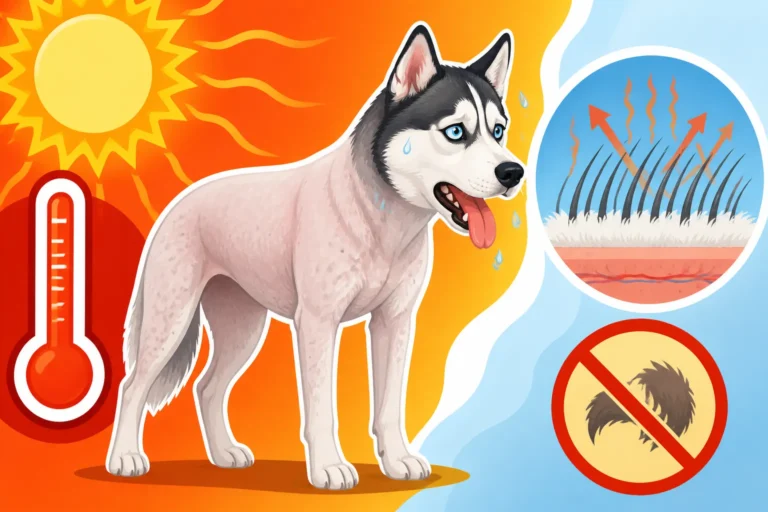
Ignoring a coat blow is simply not an option, unless you fancy living in a house coated in a fine layer of Husky fluff. Beyond the aesthetic and cleanliness issues, allowing the dead undercoat to remain packed against your Husky's skin can lead to real problems. Matted fur can trap moisture, heat, and dirt, creating a breeding ground for skin irritations, hot spots, and even infections. It also prevents proper air circulation, which defeats the purpose of the natural shedding process designed to help them regulate body temperature.
Moreover, if you don't actively remove the shedding undercoat, your Husky will do it for you – by rubbing against furniture, rolling on carpets, or simply walking around, distributing fur everywhere imaginable. Daily brushing during this intense six-week period is your best defense. It helps to gently pull out the loose hair before it has a chance to form mats or become airborne throughout your home. Think of it as proactive management rather than reactive cleaning. It might seem like a monumental task at first, but once you establish the routine, it becomes a predictable part of your dog care, much like ensuring they get their Parasite Prevention for an Outdoor Siberian Husky.
The Daily Brushing Regimen: Six Weeks of Dedication
Committing to daily brushing for six weeks straight might sound daunting, especially when your Husky seems to produce an endless supply of fur. However, breaking it down into a consistent routine and understanding the tools and techniques will make it much more manageable and effective.
Preparing for the Brushing Battle
Before you even think about putting a brush to your Husky's magnificent coat, you need to prepare both yourself and your furry friend. Find a designated grooming spot, ideally somewhere easy to clean, like a tiled floor, an outdoor patio, or even a large sheet spread on the floor. Some people opt for the bathroom, as the fur is easier to contain and wipe down from smooth surfaces. Gather all your tools in one place – we'll talk about these in detail shortly – so you're not scrambling mid-session. Have a good supply of treats ready, especially if your Husky isn't used to prolonged grooming sessions. The goal is to make this a positive, calm experience, not a wrestling match.
It’s also crucial to set realistic expectations. You won't get all the fur out in one session, even on day one. This is a cumulative process. Each day you're aiming to remove a significant portion of the loose undercoat, making the next day's job a little easier. Consider wearing old clothes or an apron, because no matter how careful you are, some fur will inevitably end up on you. And remember, patience is key. A stressed Husky is a harder Husky to groom. Keep the atmosphere light and rewarding.
The Step-by-Step Daily Process
Now for the nitty-gritty of the daily ritual. The key is thoroughness without causing discomfort. Start with short, positive sessions and gradually increase duration as your Husky gets accustomed to it.
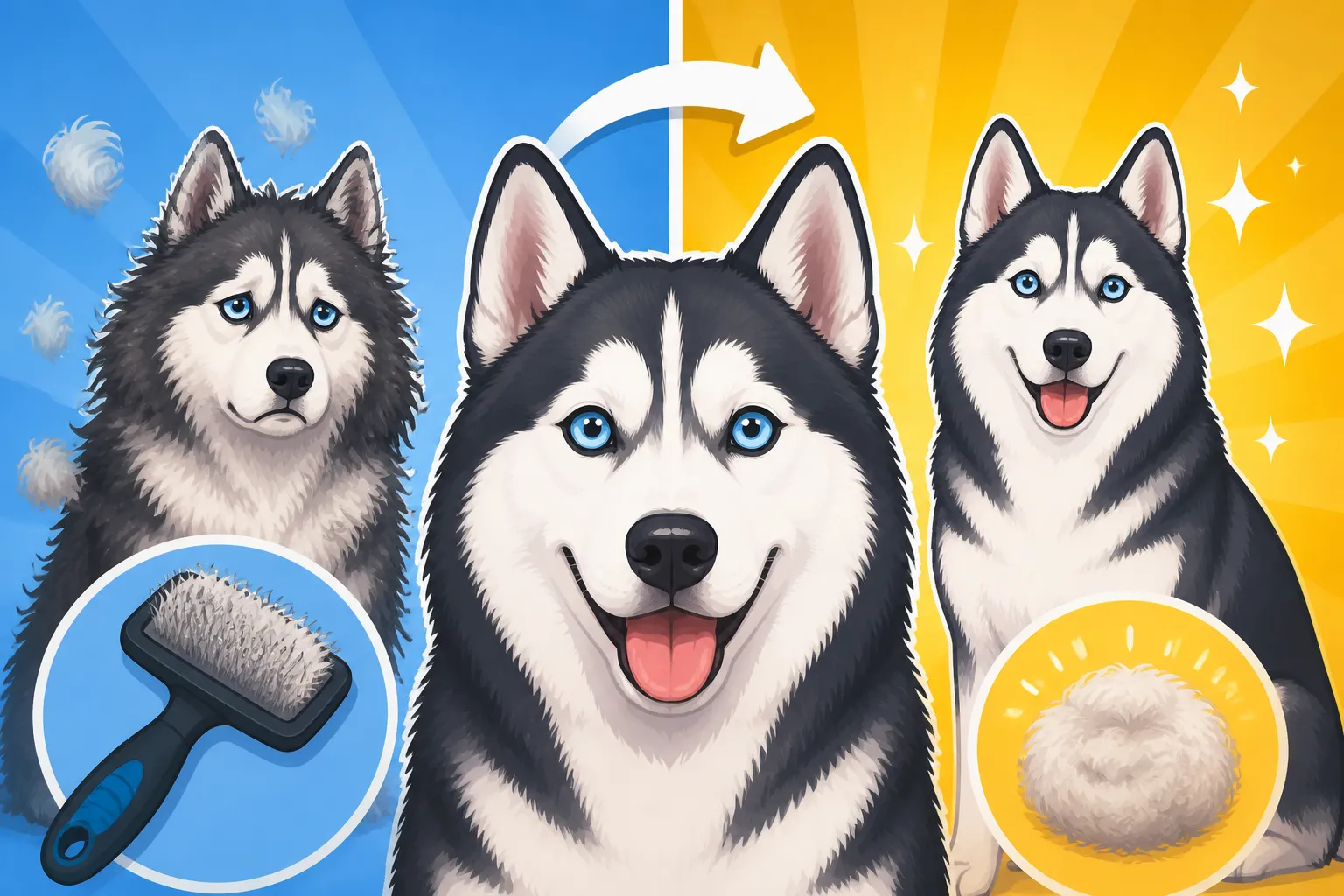
- Start with an Undercoat Rake: This is your primary weapon against the bulk of the shedding fur. Use a metal undercoat rake with long, blunt teeth. Gently rake through the coat, starting from the head and working your way down the body, legs, and tail. Use a gentle, pulling motion, going with the direction of hair growth. Don't press too hard or pull aggressively, as this can irritate their skin. You'll literally see handfuls of fluffy undercoat coming out. Focus on areas where the fur is densest: the ruff around the neck, the back, and the rear. Take your time, working in sections. When you hit a particularly dense spot, you might need to go over it a few times, gently separating the fur with your fingers first if it feels matted.
- Follow with a Slicker Brush: Once the bulk of the undercoat is removed, switch to a slicker brush. This brush has fine, wire bristles that are angled to help remove any remaining loose hair and smooth the topcoat. Use short, quick strokes. The slicker brush is excellent for getting down to the skin, but be mindful not to scratch your Husky with the wire bristles. It's especially useful for the legs, belly, and areas that might still feel a bit "fluffy" even after raking.
- Finish with a Pin Brush or Comb (Optional): For a final polish, a pin brush or a wide-toothed comb can help to remove any last stray hairs and check for any missed tangles, particularly around the ears, armpits, and tail. This step also helps to distribute natural oils, leaving the coat shiny and healthy.
- Reward and Reinforce: End every session with praise, affection, and those high-value treats. You want your Husky to associate grooming with positive outcomes. A quick play session afterward can also help to burn off any lingering energy and make them look forward to the next day's "spa" treatment. Consistency is the real hero here, as highlighted in Daily Raking Through a Siberian Husky Blow.
What to Expect Over Six Weeks
The six-week duration isn't arbitrary; it's the typical timeframe for a complete undercoat turnover. Expect the intensity to vary. The first week or two will likely be the most dramatic, with seemingly endless amounts of fur coming off. You might feel like you're not making any progress, but trust the process!
By week three or four, you should notice a significant reduction in the sheer volume of fur you're collecting. The coat will start to feel smoother, less dense, and your Husky will likely look much tidier. You'll also notice less fur floating around your home. Towards the end of the six weeks, you might find that daily brushing takes less time, perhaps only 15-20 minutes, compared to the initial 30-45 minutes. It's a testament to your hard work. This whole journey of maintaining their magnificent coat is just one facet of Caring for a Siberian Husky Past Ten, where consistent care truly pays off.
Essential Tools for a Successful Coat Blow
You can't go to war without the right weapons, and fighting the fur battle is no different! Investing in quality grooming tools will save you time, frustration, and ensure your Husky's comfort.
The Right Rakes and Brushes
The market is flooded with grooming tools, but for a Siberian Husky, you need specific types to penetrate that dense double coat.
- Undercoat Rake: This is your absolute essential. Look for one with rotating pins or a good ergonomic handle for comfort during long sessions. Brands like FURminator offer undercoat deshedding tools, but often a simpler, sturdy metal rake works just as well, if not better, for breaking through the layers without cutting the guard hairs. These are readily available on platforms like Chewy or Amazon.
- Slicker Brush: A large slicker brush with fine, bent wire bristles is next in line. It helps to remove finer loose undercoat and smooth the topcoat.
- Pin Brush: Great for general brushing, stimulating the skin, and finishing. It's less aggressive than a rake but still effective for daily maintenance.
- Grooming Mitts: These rubber mitts with nubs can be surprisingly effective for grabbing loose fur, especially on shorter-haired areas like the legs, and some Huskies find them more enjoyable than traditional brushes.
| Tool Type | Primary Function | Best Used For | Caution |
|---|---|---|---|
| Undercoat Rake | Removing dense, dead undercoat | Main body, dense areas like ruff, hindquarters | Avoid harsh pulling; don't use on topcoat only |
| Slicker Brush | Removing finer loose undercoat, smoothing topcoat | All over, especially legs and areas after raking | Do not press too hard; wire bristles can scratch skin |
| Pin Brush | General brushing, stimulating skin, finishing | All over, light maintenance, distributing oils | Less effective for deep deshedding during coat blow |
| High-Velocity Dryer | Blowing out loose undercoat, drying | After baths, during coat blow to loosen fur | Start on low; protect ears; can be noisy |
You can often find these grooming essentials from reputable pet supply retailers. For a deeper dive into tool selection, you might want to check out Undercoat Rakes and Blowers for a Siberian Husky.
The Power of the High-Velocity Dryer
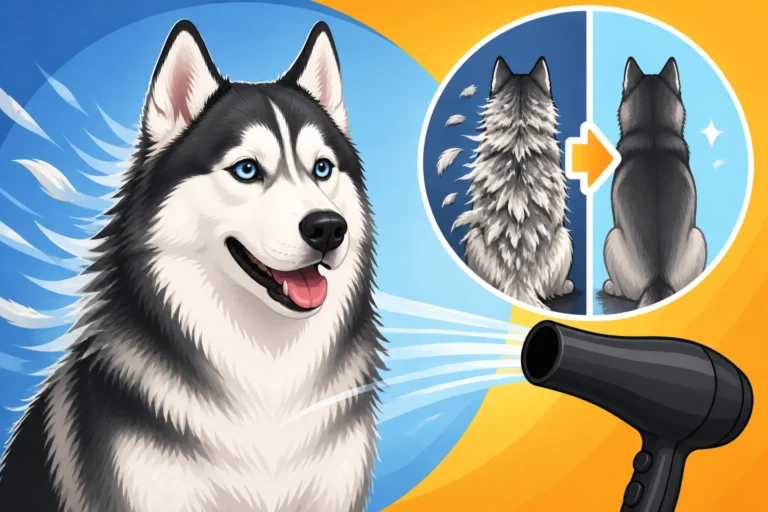
While not strictly a "brush," a high-velocity dryer is an absolute game-changer for Siberian Husky owners, especially during a coat blow. These are not your typical human hairdryers – they blow cool, powerful air that literally blasts the loose undercoat out of your dog's dense fur.
Imagine the scene: you've raked and brushed, and still, more fur appears. A high-velocity dryer takes grooming to another level. Used outdoors or in an easy-to-clean area, it can remove an incredible amount of fur in a short time. Many professional groomers use these, and having one at home can drastically reduce the amount of brushing you need to do manually, and speed up the overall coat blow process.
How to Use It:
- Safety First: Acclimate your Husky to the sound. Start on a low setting, at a distance, with lots of treats. Protect their ears with cotton balls or an ear buff.
- Outdoor Use Recommended: The amount of fur that flies will astound you.
- Section by Section: Direct the nozzle against the grain of the fur, working in small sections. You'll see clouds of undercoat fly out. It's incredibly satisfying!
While it's an upfront investment, the time and effort it saves, coupled with the benefit to your Husky's coat health, makes it invaluable. This is a crucial piece of kit, sometimes even more effective than brushing alone, for truly managing How Much Undercoat Comes Off a Siberian Husky.
Supplemental Grooming Gear
Beyond the core brushes and dryer, a few other items can make your six-week grooming marathon easier:
- Vacuum Cleaner: A good quality vacuum with strong suction and attachments is non-negotiable for a Husky owner. You'll be using it daily, often multiple times a day, to keep up with the fur. Look for models designed for pet hair, which often feature tangle-free brush rolls and powerful filtration. You can check out options on platforms like Amazon.
- Grooming Table (Optional): If you find yourself bending over a lot, a grooming table can save your back and elevate your Husky to a more comfortable working height.
- Grooming Sprays: Some detangling or conditioning sprays can help to loosen fur and make it easier to brush through, reducing static and breakage.
- Treats: As mentioned, high-value treats are vital for positive reinforcement. Consider something a bit special or even a lick mat smeared with peanut butter to keep them distracted during longer sessions.
- Old Sheets/Tarps: Lay these down in your grooming area to catch the fur, making cleanup much simpler. Just roll it up and dump the fur!
Managing the Fur Fallout and Keeping Your Sanity
Living with a Siberian Husky during a coat blow is a full-body experience. It's not just about the dog; it's about your home, your clothes, and sometimes, your mental well-being!
Tackling the Airborne Tumbleweeds
Even with daily brushing, some fur will inevitably become airborne and settle on every surface imaginable. It’s part of the deal. The goal of daily brushing is to reduce the amount of loose fur, not eliminate it entirely.
- Vacuum Daily (or more!): Your vacuum cleaner will become your best friend. Prioritize carpets and upholstered furniture where fur tends to cling. A robotic vacuum can be a lifesaver for daily floor maintenance, picking up the constant shedding between your manual cleaning sessions.
- Lint Rollers are Your Companions: Keep lint rollers in every room, by the door, and in your car. They're indispensable for quick touch-ups on clothes, furniture, and even your own hair.
- Dedicated Furniture Covers: If you allow your Husky on furniture, consider washable covers or blankets specifically for their favorite spots. This makes washing fur-laden fabrics much easier than trying to deep-clean upholstery constantly.
- Air Purifiers: While they won't stop the fur from falling, a good air purifier can help capture airborne dander and fine hairs, improving air quality in your home.
- Frequent Laundry: Be prepared to wash blankets, dog beds, and even your clothes more often. Microfiber cloths can be surprisingly effective at picking up fur from hard surfaces before you vacuum. This constant battle against fluff is what Living With Siberian Husky Undercoat in the House is all about.
Maintaining Your Husky's Overall Coat Health
Beyond the shedding periods, maintaining your Husky's coat health is an ongoing commitment. A healthy coat sheds more efficiently and grows back stronger.
- Regular, Less Intense Brushing: Outside of the coat blow, a couple of brushing sessions a week with a pin brush or slicker brush are usually sufficient to remove loose hairs and prevent matting.
- Proper Nutrition: A high-quality diet plays a huge role in coat health. Look for dog foods with good sources of Omega-3 and Omega-6 fatty acids, which contribute to skin and coat vitality. While I can't recommend specific brands or products, many premium dog food companies, like Ollie, focus on balanced nutrition that supports overall health, including a shiny, healthy coat. Always consult with your vet about the best dietary choices for your individual Husky.
- Limited Bathing: Siberian Huskies have a self-cleaning coat and generally don't need frequent bathing. Too much bathing can strip their natural oils, making their skin dry and potentially impacting coat health. When you do bathe them, use a good quality dog shampoo and conditioner, and ensure you rinse all the product out to prevent skin irritation. And when it comes to drying, that high-velocity dryer is key!
- Recognizing Problems: Keep an eye out for excessive itching, redness, or bald patches, which could indicate skin issues or allergies. Early detection can prevent minor problems from becoming major ones. Sometimes a change in coat quality can even signal underlying health issues, much like the concerns addressed in Siberian Husky Thyroid and Autoimmune Disease.
Embracing the Reality of Husky Ownership
Let's be honest, owning a Siberian Husky means accepting a certain level of fur in your life. It's part of their charm, their heritage, and their unique physiology. The daily brushing regimen during a coat blow isn't just about cleanliness; it's an act of care that benefits your dog's comfort and health. It’s a dedicated process, but one that strengthens your bond and reminds you of the incredible nature of these dogs.
Remember, every bit of effort you put into managing their coat means a happier, healthier Husky and a slightly less hairy home. And when those six weeks are over, you can breathe a sigh of relief, knowing you've successfully navigated another fur storm, until the next one rolls around! If you ever feel completely overwhelmed, remember that Professional De-Shedding for a Siberian Husky is always an option with a trusted groomer.
Disclaimer
This article is for general informational purposes only and does not constitute professional advice. Laws, prices and regulations vary by location and change over time. Consult a qualified professional for guidance on your specific situation.