Whether a Siberian Husky Wants to Sleep in Snow
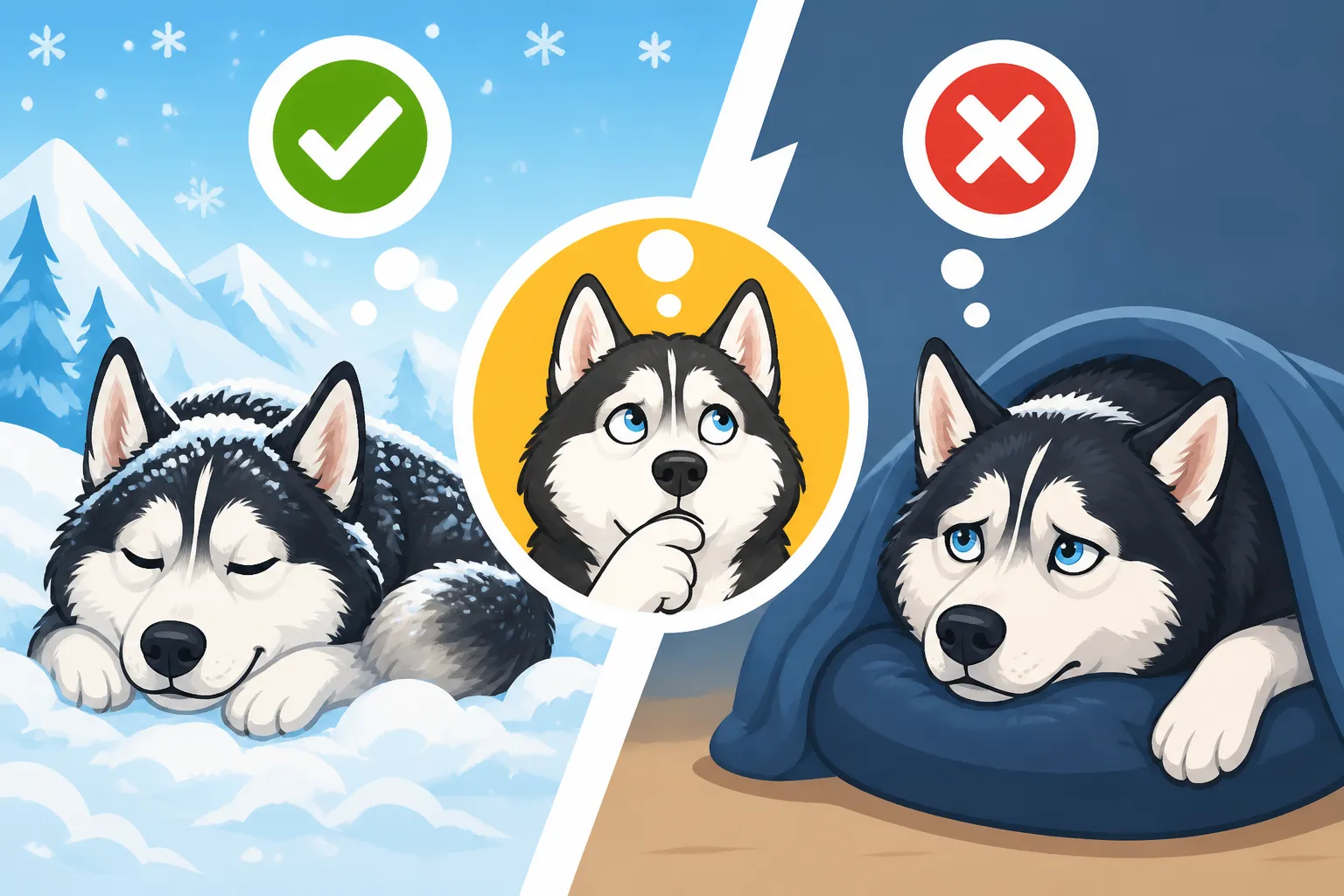
One of the most common questions I hear from new Siberian Husky owners, or even those just admiring these beautiful dogs from afar, is whether it's true they actually want to sleep outside in the snow. It’s a vision many people have: a majestic Husky curled up in a winter wonderland, seemingly oblivious to the biting cold. But is this just a romanticized image, or is there truth to the idea that these dogs genuinely prefer frosty beds to cozy blankets? Many owners worry about their beloved companion being uncomfortable, especially when the temperatures drop significantly, and it can be confusing to know when their natural instincts for cold weather turn into a potential risk. This guide aims to clear up that confusion, explaining the unique physiology of the Siberian Husky and helping you understand their true comfort levels in snowy conditions.
The Marvel of the Siberian Husky's Cold Weather Adaptation
Siberian Huskies are incredible animals, built from nose to tail for life in extreme cold. Their ancestors, the dogs of the Chukchi people, lived and worked in some of the harshest environments on Earth, where temperatures routinely plummeted far below freezing. This isn't just a fun historical fact; it’s deeply embedded in their genetics and physical makeup, giving them a remarkable tolerance for cold that most other breeds simply don't possess.
The Legendary Double Coat: More Than Just Fluff
The most obvious and arguably most critical adaptation of the Siberian Husky is their magnificent double coat. This isn't just one layer of fur; it's a meticulously designed system that provides unparalleled insulation. Understanding how it works is key to appreciating their comfort in snow.
The outer layer, known as the guard hairs, is coarse, straight, and water-repellent. These hairs act like a protective shield, shedding snow, ice, and moisture away from the skin. Think of it like a natural, highly effective raincoat. When snowflakes land on a Husky's back, they don't soak into the skin; they often just sit on top or melt and run off, leaving the dog's skin dry and warm beneath. This outer layer also helps to break the wind, reducing the chill factor significantly. Without these guard hairs, their undercoat would quickly become wet, losing its insulating properties and leading to hypothermia.
Beneath this robust outer layer lies the dense, soft undercoat. This is where the real magic happens. The undercoat is incredibly thick and consists of fine, woolly hairs that trap a layer of warm air close to the Husky's body. This trapped air acts as an insulator, much like the insulation in your house walls or the down in a winter jacket. The thicker and denser this undercoat is, the more effectively it can hold that warm air, preventing body heat from escaping. When a Husky "blows coat" in warmer weather, it's shedding this vital undercoat, which is why Siberian Husky Coat Blow and the Six Weeks It Lasts is such an intense period for owners and means a lot of vacuuming! This adaptation is so profound that if you were to shave a Siberian Husky, you would actually be compromising their ability to regulate temperature, making them more vulnerable to both cold and heat, which is why you should Why You Must Never Shave a Siberian Husky.
Physiological Design for Arctic Life
Beyond their amazing coat, Siberian Huskies possess several other physiological traits that contribute to their ability to thrive in cold. Their relatively small, thickly furred ears are less prone to frostbite compared to breeds with large, thin ears. Their almond-shaped eyes are also well-suited to protect against glare from snow and ice. Perhaps less visible, but equally important, is their unique metabolism.
Siberian Huskies have an incredibly efficient metabolism that allows them to extract maximum energy from their food without needing to consume vast quantities. This isn't just about saving kibble; it's an adaptation for sustaining energy in demanding, cold environments. They can switch their primary fuel source from carbohydrates to fat rapidly and efficiently, a trait that enables them to maintain body temperature and energy levels during long periods of exertion in the cold. This metabolic efficiency helps them generate and retain heat from within, complementing the external insulation of their fur. So, when you see them curled up in a snowbank, they're not shivering themselves warm; they're genuinely conserving heat.
Their circulatory system also plays a role. They have specialized blood flow patterns in their paws that reduce heat loss to the cold ground and prevent frostbite. The arteries and veins in their paws are arranged in a countercurrent heat exchange system, warming the blood returning to the body and cooling the blood flowing to the paws, effectively recycling heat. This means their paws, which are in direct contact with freezing surfaces, stay relatively warmer than you might expect. For all these reasons, their cold tolerance is simply not comparable to most breeds. To put it simply, they are not just "okay" with the cold; they are designed for it. For more on what constitutes too cold, you can read How Cold a Siberian Husky Can Actually Take.
Instinct vs. Comfort: Understanding Their Preferences
Given their incredible adaptations, it’s no wonder many Siberian Huskies appear to enjoy the snow. But is it a true preference, a deep-seated instinct, or simply a tolerance that we misinterpret as enjoyment? It's often a bit of both, rooted in their ancestral history and tempered by their individual personalities and living situations.
The Ancestral Call: Why Snow Feels Right
The ancestors of the modern Siberian Husky lived and worked in the vast, unforgiving expanses of Siberia, where snow was a constant companion for much of the year. For these dogs, snow wasn't an obstacle; it was their environment. They denned in snow, ran through snow, and found comfort in it. This deep-seated connection to snow is a behavioral trait passed down through generations.
When a Siberian Husky chooses to lie down in the snow, it's often an expression of this ancestral comfort. It feels natural to them. For many Huskies, a fresh blanket of snow is like an invitation to play, roll, and yes, even nap. They might instinctively dig a shallow "den" in the snow, a behavior that helps them create a windbreak and trap a layer of insulating snow around their bodies, much like an igloo. This isn't a sign of distress; it’s a manifestation of their genetic programming for survival and comfort in a winter landscape. It speaks to The Chukchi Origins of the Siberian Husky and how these dogs truly are products of their environment.
Individual Personalities and Modern Living
While the breed as a whole shares these cold-weather adaptations and instincts, it's crucial to remember that every Siberian Husky is an individual. Just like some humans adore winter sports while others prefer to stay bundled up by the fire, some Huskies will revel in every snowflake, while others might prefer the warmth of their indoor bed after a romp in the snow.
Factors like age, health, and previous experiences can influence a Husky’s preference. A young, healthy Husky with a full undercoat is far more likely to enjoy a prolonged nap in the snow than an elderly Husky with arthritis or one that has spent its entire life in a warm climate. Even within the same litter, you might find varying levels of enthusiasm for snow. Some might be happy with a quick outing, while others will want to spend hours outdoors, only coming in when coerced. This individuality means that as an owner, you need to observe your Husky's cues rather than relying solely on breed generalizations.
Furthermore, our modern homes, with their consistent heating, are often much warmer than what a Husky's body is naturally geared for. They can easily overheat indoors, especially if they have a thick winter coat. In such cases, seeking out the cool embrace of the snow isn't just a preference; it's a way for them to regulate their body temperature and find relief from indoor stuffiness. Sometimes, a Husky simply needs to chill out, literally.
Assessing Safety and Providing Optimal Winter Shelter
While Siberian Huskies are incredibly well-equipped for cold, there are limits. As responsible owners, our job is to understand these limits and provide safe, comfortable options, even if their instinct sometimes pushes them towards what seems extreme to us. The goal is to let them indulge their natural preferences without putting them at risk.
When Is It Too Cold for Your Siberian Husky?
It's tempting to think a Husky is invincible in winter, but that's not quite true. While they can tolerate temperatures far below what most dogs can, prolonged exposure to extreme cold, especially with factors like wind chill, wetness, or an insufficient coat, can still be dangerous. Young puppies, senior Huskies, or those with underlying health conditions (like a compromised immune system or certain metabolic disorders) will have a lower tolerance for cold than a healthy adult.
The key is observation. If your Husky is curled up tight, shivering, lifting paws off the ground, whining to come in, or showing signs of discomfort, it's definitely too cold for them, regardless of what the thermometer says. Their double coat needs to be dry to insulate properly, so a soaking wet Husky in freezing temperatures is at much higher risk than a dry one. Wind chill is also a major factor that can make a moderate temperature feel much colder. Pay attention to local weather advisories for pets; if it's too cold for you to be out for extended periods, it might be too cold for your Husky, too, even if they seem to be enjoying themselves initially.
Providing Appropriate Outdoor Shelter Options
If your Siberian Husky genuinely loves spending time outdoors in cold weather, it's paramount to provide them with a suitable shelter option that they can retreat to if needed. This isn't just about having a roof over their head; it's about providing a space that actively helps them stay warm and dry.
A high-quality, insulated dog house is a must. This isn't the flimsy plastic kind you pick up at a big box store for summer shade. We're talking about a well-constructed, insulated structure that minimizes drafts and retains body heat. The dog house should be slightly larger than the dog, allowing them to stand and turn around, but not so large that their body heat cannot warm the space. It should be elevated off the cold ground to prevent heat loss, and the entrance should be covered with a heavy, chew-proof flap to block wind and snow. Adding straw or cedar shavings as bedding material provides additional insulation and is easily replaced if it gets wet. Avoid blankets or towels, as they can absorb moisture and freeze. You might find a good selection of robust outdoor dog houses on platforms like Amazon or specialized pet supply sites.
Even with a proper dog house, your Husky should still have access to fresh, unfrozen water. Heated water bowls are an excellent investment to ensure they can drink whenever they need to. You also need to ensure that the outdoor area is secure. A Husky who can clear a Six-Foot Fences and the Siberian Husky That Climbs can also easily escape during a snowstorm if not properly contained, leading to the dangers of Why an Escaped Siberian Husky Is a Health Risk. Ultimately, the goal is to give them choices: the freedom to enjoy the snow and a safe, warm retreat when they need it.
Factors Beyond Temperature: Why a Husky Might Seek the Snow
It's easy to assume that if a Siberian Husky is outside in the snow, it must be purely because of the cold temperature. However, their reasons for seeking out snow and cold environments can be more nuanced, involving comfort, stimulation, and even a bit of their independent nature. Understanding these additional motivations can help you better cater to your Husky's unique needs.
Escaping the Heat: A Common Indoor Problem
One of the most frequent reasons a Siberian Husky will choose to lie in the snow, or even just on a cold patch of tile indoors, is simply to cool down. Their incredible double coat, while a boon in arctic conditions, can be a real burden in a warm house or during milder winter days. They can easily become overheated, leading them to seek out the coolest spots available.
Imagine wearing a heavy winter coat, hat, and gloves indoors all day. You'd quickly become uncomfortably warm, even in a moderately cool room. A Siberian Husky experiences something similar in a typical heated home. Their body is constantly trying to shed excess heat, and a patch of snow or cold ground offers immediate relief. This is especially true if they've been active, even if it's just playing indoors. When they come inside after a brisk walk and immediately flop onto the coldest spot, they’re not being dramatic; they’re genuinely feeling too warm. Providing options like Cooling Mats and Fans for a Siberian Husky indoors can offer them an alternative way to regulate their temperature without needing to brave the outdoor elements every time. You can often find effective cooling pads at pet retailers like Chewy.
Sensory Stimulation and Enjoyment
For many Huskies, snow is not just a thermal regulator; it's a giant, interactive playground. The unique texture, the way it crunches underfoot, the sheer fun of rolling in it, digging in it, and pouncing on imaginary critters beneath it – all of this provides immense sensory stimulation and pure enjoyment. Their high prey drive might even lead them to tunnel through it, mimicking the hunt for small animals.
Watching a Husky gleefully bury its face in a fresh pile of snow or roll around with an almost ecstatic expression tells you that it’s not just about staying warm or cool. It's about engagement, novelty, and play. This mental and physical stimulation is vital for such an intelligent and active breed. Depriving them of this experience, especially if they clearly enjoy it, would be denying them a rich part of their natural expression. They truly enjoy the experience of being in their element, embracing the winter landscape as a continuation of their play space.
The Independent Spirit and "Me Time"
Siberian Huskies are known for their independent and somewhat aloof nature. While they are loyal and loving companions, they also value their personal space and "me time." Sometimes, a Husky might choose to lie outside in the snow simply because it offers a quiet, peaceful retreat away from the hustle and bustle of a busy household.
Whether it's escaping noisy children, avoiding other pets, or just finding a moment of solitude, the outdoor environment can provide a sense of calm and independence that they crave. For a breed that thrives on having choices and a degree of autonomy, being able to decide when and where they rest is important. They might appreciate the crisp air, the quiet, and the freedom to observe their surroundings without interruption. This isn't a rejection of their family; it's an expression of their unique personality and need for balance between companionship and independence. When you think about Training an Independent Siberian Husky, you quickly realize that giving them choices, even small ones like where to nap, goes a long way.
| Condition for Husky Outdoors | Husky Behavior/Signs | Owner Action Recommended |
|---|---|---|
| Comfortable | Curled loosely, sleeping soundly, no shivering, relaxed posture, occasional tail wag. | Allow supervised outdoor time, ensure access to insulated shelter. |
| Slightly Overheated | Lying spread out on snow/cold surface, panting lightly, seeking shade. | Ensure access to cool spots, fresh water, bring indoors if panting becomes heavy. |
| Too Cold/Uncomfortable | Shivering, curled tightly, lifting paws, whining, trying to get to a door, hunching back, tucked tail. | Immediately bring indoors, provide warmth, check for frostbite, especially on ears/paws. |
| Wet/Snow-covered Coat | Snowballs accumulating in fur, coat matted or wet through. | Brush out snowballs carefully, ensure coat is dried thoroughly if coming inside to prevent chilling. |
| Deep Snow/Storm | Struggling to move, disoriented, heavy snow/ice accumulation on body, high winds. | Keep indoors, supervise outdoor breaks closely. Danger of hypothermia. |
Embracing the Husky's True Nature
Understanding whether a Siberian Husky wants to sleep in snow boils down to appreciating their incredible adaptations, respecting their individual preferences, and always prioritizing their safety. They are magnificent creatures, built for a world many of us only visit for recreation. Their desire to be in the snow isn't just a quirky trait; it's a testament to their deep connection to their heritage and their unique physiological design.
As owners, our role isn't to force them into our comfort zones, but rather to facilitate their natural instincts responsibly. That means providing them with the option to enjoy the snow when appropriate, offering warm, dry shelter for when they need it, and always being attuned to their individual cues. Whether your Husky is an avid snow-sleeper or a preferer of indoor naps, celebrating their distinct needs ensures a happier, healthier life together. The costs associated with ensuring their comfort, from good food like Ollie for a strong metabolism to proper gear, is all part of the journey. For an idea of how these needs change over time, consider reading Caring for a Siberian Husky Past Ten.
Disclaimer
This article is for general informational purposes only and does not constitute professional advice. Laws, prices and regulations vary by location and change over time. Consult a qualified professional for guidance on your specific situation.