The Game of Thrones Wave of Siberian Huskies
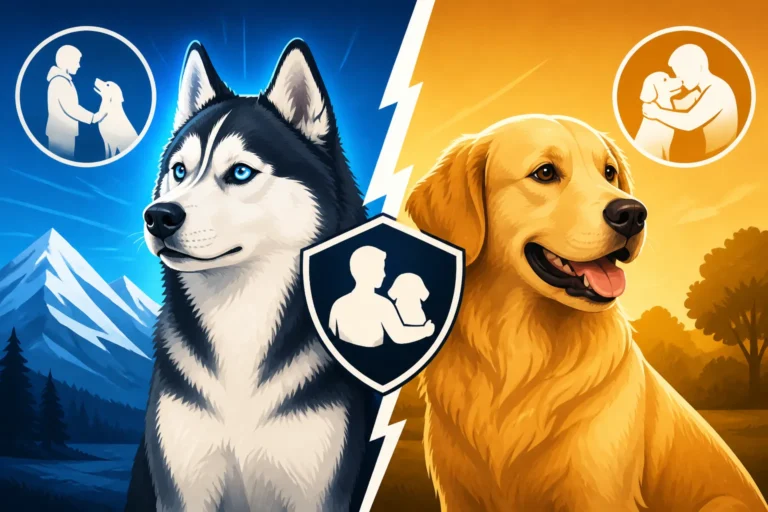
Many people saw the majestic "direwolves" on Game of Thrones and fell head over heels, envisioning a loyal, silent, and fiercely protective companion. What they often didn't realize was that these impressive canine actors were often Siberian Huskies, and owning one in real life is a vastly different experience than watching one on screen. This guide will explore how a TV show dramatically impacted the breed's popularity, why so many of these beautiful dogs ended up in shelters, and what it really means to welcome a Siberian Husky into your home.
The Rise of the Direwolf Lookalikes: How Game of Thrones Sparked a Trend
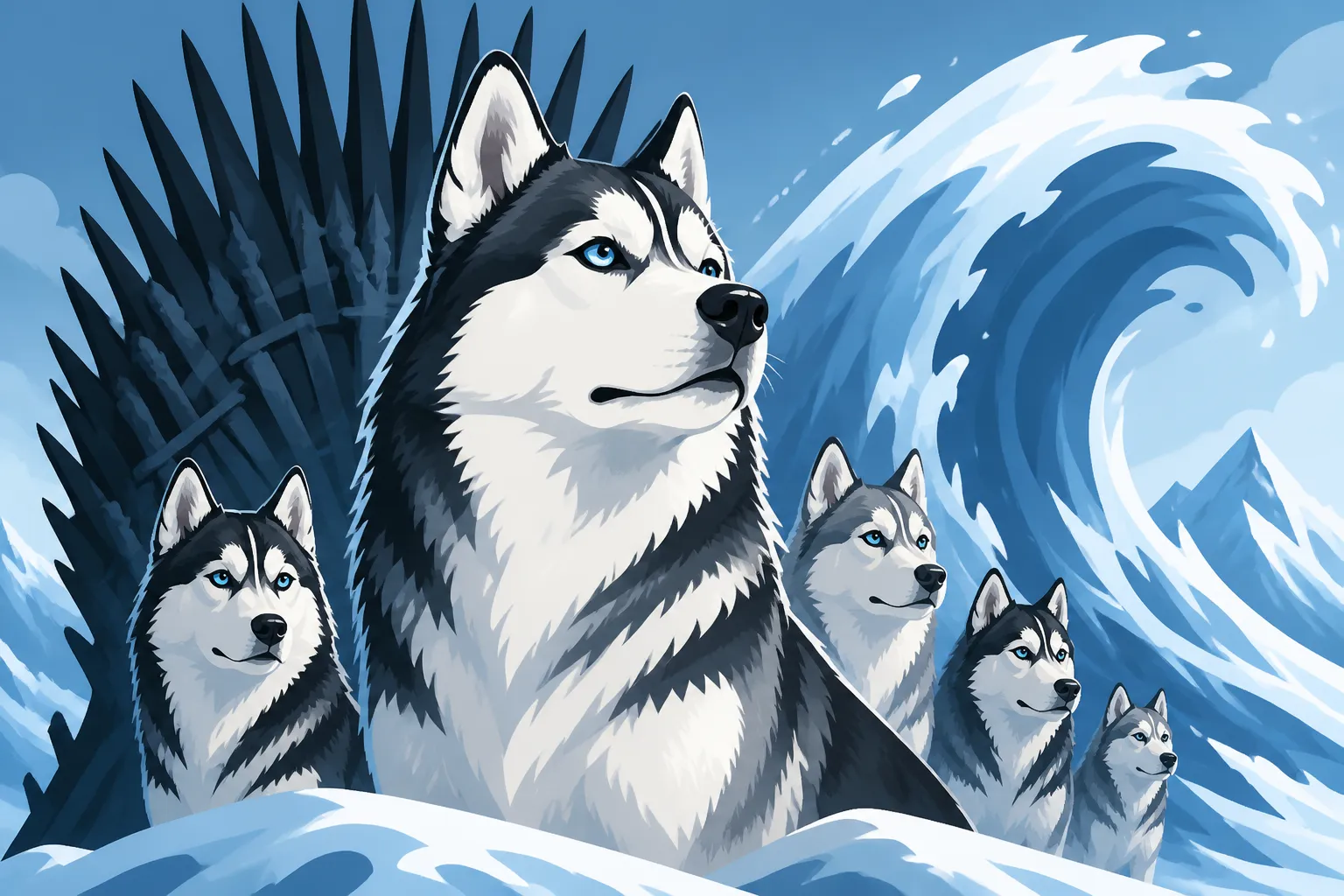
When Game of Thrones premiered, it didn't just capture the imaginations of fantasy fans; it also inadvertently created a massive surge in demand for a particular type of dog. Suddenly, everyone wanted a direwolf. The problem? Direwolves aren't real, but their on-screen counterparts, largely played by Siberian Huskies, certainly are. This visual association led to a heartbreaking trend that many in the rescue community predicted and witnessed firsthand.
The Visual Appeal: Huskies as Direwolf Doubles
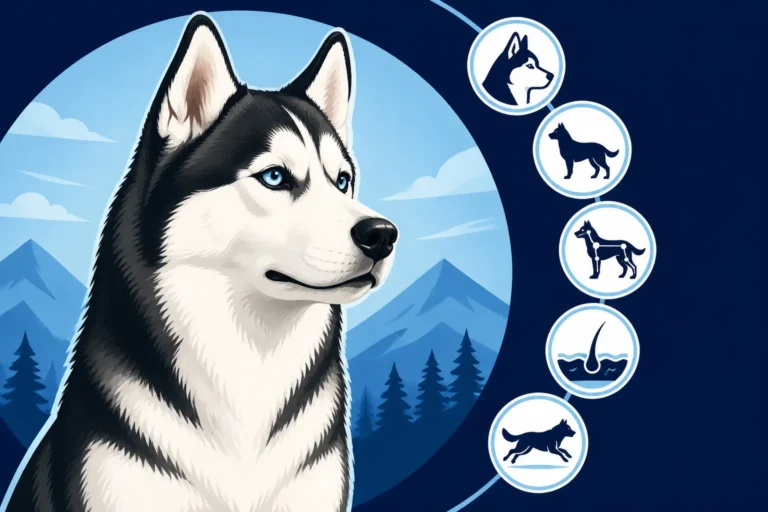
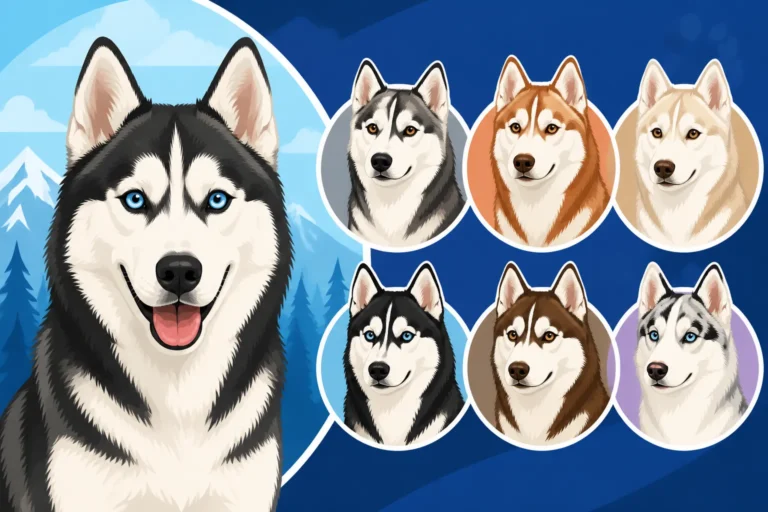
Let's be honest, the visual resemblance between a Siberian Husky and the fictional direwolves of Westeros is striking. Their thick double coats, often in shades of gray, black, or white, their upright ears, and those piercing eyes – sometimes blue, sometimes amber, sometimes one of each – perfectly fit the image of a creature born of the frozen north. In the show, they embodied loyalty, wildness, and an almost mythical presence, all traits that resonate deeply with human desires for companionship and connection to nature. It was easy for viewers to project these qualities onto the living, breathing dogs that bore such a strong resemblance, without truly understanding the complexities of the breed's actual temperament and needs. The visual alone was enough to sway countless individuals, leading to impulsive decisions rather than thoughtful adoptions.
Pop Culture's Powerful Influence on Breed Popularity
This phenomenon isn't new; pop culture has a long history of influencing pet trends. Think about the surge in Dalmatian popularity after 101 Dalmatians, or the rise of Chihuahuas following appearances in various films and TV shows. Game of Thrones simply amplified this effect to an unprecedented degree for the Siberian Husky. The sheer global reach of the show meant that millions upon millions of people were exposed to these "direwolves" week after week, season after season. The narrative of the show often portrayed the direwolves as intelligent, loyal, and mostly quiet companions, which are desirable traits for any pet owner. Unfortunately, these portrayals often glossed over, or entirely omitted, the less glamorous, more challenging aspects of owning a real-life working breed like the Siberian Husky, leading to a significant disconnect between expectation and reality for many new owners.
Before Game of Thrones: Siberian Husky Popularity Trends
While Game of Thrones certainly caused an explosion, Siberian Huskies were far from unknown before the show. They'd always held a certain mystique due to their stunning appearance, their historical connection to sledding, and their independent, spirited nature. Historically, they've been popular with those who appreciate their endurance and beauty, often individuals involved in dog sports or who live in colder climates. Their rise in popularity through the early 2000s was steady but manageable for breeders and rescues. However, the Game of Thrones effect was different; it wasn't a gradual increase driven by genuine understanding of the breed. Instead, it was an immediate, intense demand fueled by a fleeting visual fantasy, pulling in many people who were completely unprepared for the reality of living with such a unique and demanding animal.
Understanding the "Direwolf" Allure vs. Reality
The chasm between the idealized "direwolf" image and the everyday reality of a Siberian Husky is vast. Many new owners, drawn in by the mystique, quickly found themselves overwhelmed by a dog that was nothing like their on-screen heroes. It's crucial for anyone considering this breed to understand these differences before making a commitment.
The Fictional Ideal vs. the Real Husky Temperament
In Game of Thrones, the direwolves were often portrayed as silent, ever-present protectors, seemingly content to stand by their human companions through thick and thin, rarely vocalizing beyond a meaningful gaze. The reality of a Siberian Husky's temperament is quite different. These dogs are intelligent, yes, but also incredibly independent, often described as having a cat-like aloofness. They are not typically "velcro" dogs, nor are they natural guard dogs, as their friendly nature extends to most strangers. Their vocalizations are legendary – think howls, "woo-woos," and dramatic complaints, not silent contemplation. While fiercely loyal to their family, their loyalty manifests differently; it's more about being a cherished member of the pack than a subservient guardian. This independence, combined with their strong will, means Siberian Husky Temperament and What the Standard Says is often very different from what people expect, leading to frustration for unprepared owners.
Exercise Needs and the Direwolf Fantasy
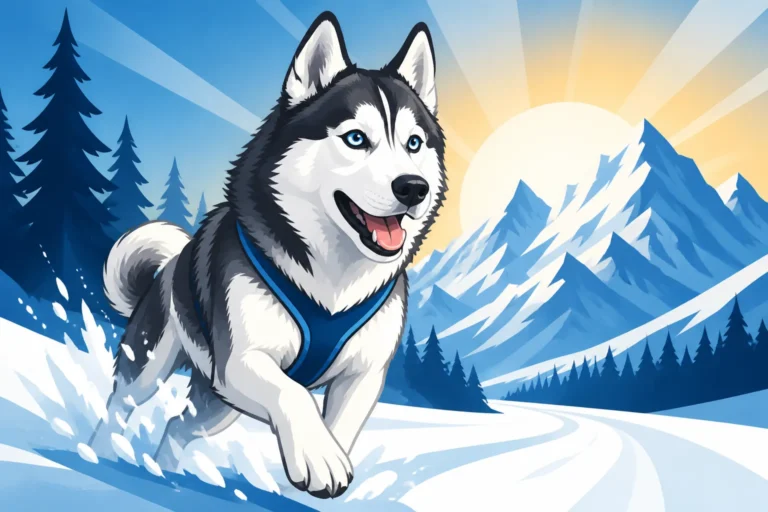
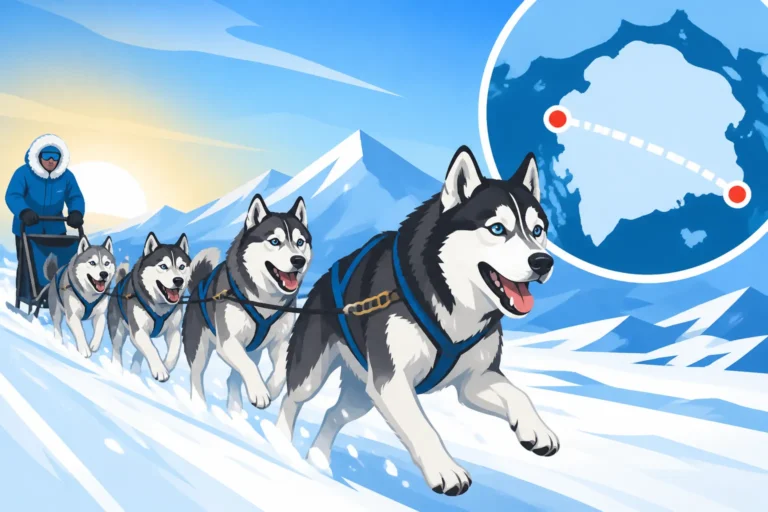
The direwolves on Game of Thrones roamed wild, seemingly needing little more than the vast Northern landscape. A real Siberian Husky needs a job, and that job is often to run. They were bred for endurance, to pull light loads over long distances in harsh conditions. This translates to an immense need for physical and mental exercise in a domestic setting. A casual walk around the block simply won't cut it. We're talking multiple miles of vigorous activity daily – running, hiking, biking, or even pulling a cart. Without sufficient outlets for their energy, huskies become bored, and a bored husky is a destructive husky. They'll excavate your yard, chew through furniture, and find every weak point in your containment. The image of a majestic dog lounging quietly quickly dissolves when faced with the boundless energy of a real Siberian Husky bouncing off the walls. Understanding How Much Exercise a Siberian Husky Really Needs is absolutely paramount.
Grooming Realities Beyond the Icy Aesthetics
That gorgeous, thick double coat that makes them look so wild and majestic on screen? It's a grooming commitment, plain and simple. Siberian Huskies have a dense undercoat and protective guard hairs designed to keep them warm in sub-zero temperatures and cool in milder weather by insulating them. This coat sheds. A lot. Not just occasionally, but in seasonal "blows" that can last for weeks, where huge clumps of undercoat come out daily. Many new owners were completely unprepared for the sheer volume of hair, which can coat everything from furniture to clothing. The idea of shaving a husky to combat shedding is a common, but harmful, misconception, as Why You Must Never Shave a Siberian Husky explains. Regular brushing, especially during these coat blows, is essential. For many, the reality of living with constant dog hair, maintaining their coat, and keeping up with the mess became another overwhelming factor that led to surrenders. Keeping a home clean with a husky often requires special vacuums and grooming tools, which you can often find at retailers like Chewy.
The Unforeseen Consequences: Shelters Overwhelmed
The sudden surge in demand for "direwolves" had a devastating impact on animal shelters and breed-specific rescues, who were left to pick up the pieces when the novelty wore off and reality set in.
The Surge in Siberian Husky Rescues
Following the peak popularity of Game of Thrones, rescue organizations specializing in Siberian Huskies reported unprecedented numbers of dogs entering their care. It wasn't just a slight increase; it was an inundation. Shelters were full, and breed-specific groups struggled to find foster homes and adopters for the sheer volume of animals. Many of these dogs were young, often between one and three years old – the age when their boundless energy, strong prey drive, and independent nature become most challenging for unprepared owners. It was a heartbreaking scenario, as volunteers worked tirelessly to rehabilitate and rehome these magnificent creatures, many of whom had been acquired impulsively, without any real understanding of their needs. Why So Many Siberian Huskies End Up in Rescue directly links to this phenomenon.
Common Reasons for Surrender After the "Direwolf" Fad
The reasons for surrender were depressingly consistent. People were often unprepared for:
- The immense energy levels: Expecting a calm companion, they got a canine athlete who needed hours of exercise daily.
- The escape artist tendencies: Huskies are notorious for jumping, climbing, digging, and opening gates. Stopping a Siberian Husky From Escaping the Yard became a constant battle for many.
- The destruction: Bored or under-exercised huskies can be incredibly destructive indoors and out, chewing through everything from furniture to drywall. This is where Siberian Husky Destruction When Left Alone becomes a real problem.
- The vocalizations: Their howling and talking, while charming to some, was overwhelming for others, especially those in apartments or close-knit neighborhoods.
- The shedding: The sheer amount of hair was a shock.
- The training challenges: Their independence means they aren't always eager to please, and traditional obedience methods often fall flat. Training an Independent Siberian Husky requires patience and creativity.
- The prey drive: Their instinct to chase small animals led to dangerous situations, particularly for families with cats or other small pets. Siberian Husky Prey Drive Around Small Animals is a serious consideration.
These realities quickly extinguished the "direwolf" fantasy, leaving many dogs homeless.
The Ethical Breeder's Role in a Popularity Spike
Ethical breeders, those dedicated to the health and welfare of the breed, generally viewed this popularity surge with apprehension. They understood the potential for harm. Responsible breeders carefully vet potential owners, asking detailed questions about their lifestyle, experience, and living situation to ensure a good match. During the Game of Thrones boom, they often increased their already stringent screening processes, refusing to sell puppies to individuals who seemed unprepared or motivated solely by the show. They prioritize placing their puppies in forever homes, not contributing to a fleeting fad. Unfortunately, the rise in demand also fueled irresponsible "backyard breeders" and puppy mills, who capitalized on the trend, producing puppies quickly and without proper health screening or temperament consideration, often selling them to anyone with cash, regardless of suitability.
Beyond the Show: Responsible Siberian Husky Ownership
If you're still captivated by the Siberian Husky after learning about their realities, that's a good sign! It means you're moving past the fantasy and into a place of informed decision-making. Responsible ownership starts with thorough preparation.
Researching the Breed, Not Just the Look
Beyond their stunning looks, a Siberian Husky is a complex and unique breed. Don't just admire their beauty; delve into their history as working sled dogs bred by the Chukchi people. Understand their physical and mental needs. Learn about their energy levels, their strong prey drive, their need for companionship, and their reputation as escape artists. A great place to start is by researching the breed standard and talking to experienced husky owners, mushers, and rescue volunteers. These individuals can offer invaluable insights into the day-to-day realities that go far beyond what any TV show could ever portray. For example, understanding Siberian Husky Leash Work Against a Pulling Instinct is vital for anyone planning to walk this breed.
Assessing Your Lifestyle for a Siberian Husky
Before you commit, take a long, honest look at your own lifestyle. Can you provide:
- Significant daily exercise? We're talking at least 1-2 hours of vigorous activity, rain or shine, hot or cold. This isn't a dog for a casual stroll.
- A secure yard? A six-foot fence is a minimum, and many huskies require additional security like L-footers to prevent digging under or coyote rollers to prevent climbing over. The Fence Bill a Siberian Husky Forces can be substantial.
- Mental stimulation? Beyond physical exercise, they need puzzles, training, and challenges to keep their intelligent minds engaged.
- Tolerance for shedding and noise? Be prepared for hair everywhere and a household that echoes with howls and "talks."
- Patience and consistency in training? They are smart but independent, and will test boundaries.
- Financial resources? From high-quality food (which you can easily find on Chewy) to robust containment, grooming tools, and potential vet bills, The Yearly Cost of Owning a Siberian Husky can be significant.
If any of these areas feel like a stretch, a Siberian Husky might not be the right fit, and that's okay! There are many wonderful breeds out there.
The Lifelong Commitment to a High-Energy Dog
Bringing a Siberian Husky into your home is not a short-term commitment; it's a pledge for their entire lifespan, which for this breed, can be a good 12-14 years. This means committing to their intense exercise needs through all seasons and life stages, managing their strong personality, and understanding their health considerations. Their energy doesn't just disappear after puppyhood; they remain active, playful, and often mischievous well into their senior years. This lifelong dedication is what truly defines responsible pet ownership, far outweighing the initial allure of a "direwolf" aesthetic. What New Siberian Husky Owners Underestimate often revolves around this long-term commitment.
Finding Your Own "Direwolf" Responsibly
If, after careful consideration, you're still confident a Siberian Husky is the right dog for you, then the next step is to find your companion responsibly. Avoid impulse buys and always prioritize the dog's welfare.
Why Breed-Specific Rescues are a Lifeline
Given the Game of Thrones phenomenon, breed-specific Siberian Husky rescues became absolute lifelines for countless dogs. These organizations are often overflowing with huskies of all ages, temperaments, and backgrounds. Adopting from a rescue is not only a fantastic way to give a deserving dog a second chance, but it also provides you with incredible support. Rescue volunteers know the breed inside and out, and they work hard to match dogs with appropriate families. Many rescues even offer a "foster-to-adopt" program, allowing you to try out a dog in your home to ensure it's a good fit before finalizing the adoption. You'll likely find dogs that are already spayed/neutered, vaccinated, and microchipped. Breed-Specific Siberian Husky Rescues are an invaluable resource for anyone looking to responsibly bring a husky into their home.
What Reputable Breeders Look For in Owners
If you choose to go through a breeder, ensure they are reputable. A responsible breeder will:
- Conduct extensive health testing on parent dogs for genetic conditions common in the breed, such as those related to eyes and hips. You can learn more about this by reading Health Testing Before You Buy a Siberian Husky.
- Be knowledgeable about the breed's temperament, health, and history.
- Have clean facilities and well-socialized puppies.
- Require you to sign a contract, often with a spay/neuter clause for pet-quality puppies.
- Ask you numerous questions about your lifestyle, home, and experience. They might even conduct a home visit.
- Provide references from previous puppy buyers and their veterinarian.
- Be a lifelong resource for you and your dog.
- Be genuinely concerned about where their puppies go, often having a waiting list.
A breeder focused solely on eye color or immediate payment, rather than suitability, is a red flag. Choosing Between a Siberian Husky Breeder and a Rescue offers more guidance on making this critical decision.
Considering an Older, More Settled Husky
While a puppy is undeniably cute, considering an adult or senior Siberian Husky can be a wonderfully rewarding experience, especially for first-time husky owners. Older dogs often come with the benefit of having their personalities and energy levels already established, making it easier to assess if they're a good fit for your home. You might bypass some of the intense puppy training phases, and many adult rescues are already house-trained and know basic commands. They may still have significant energy, but some of the more chaotic puppy behaviors have often settled. Giving an older husky a loving "forever home" can be an incredibly fulfilling act, and they often bond just as deeply with their new families. It's an excellent way to skip the "direwolf puppy" phase and go straight to a companion with a bit more wisdom and a clearer picture of their individual needs.
| Feature | "Direwolf" Fantasy (GoT) | Siberian Husky Reality |
|---|---|---|
| Temperament | Silent, fiercely protective, always by your side | Independent, friendly, mischievous, vocal (howls, talks) |
| Exercise Needs | Roams wild, seems to require little structured exercise | Requires 1-2+ hours vigorous daily exercise, needs a "job" |
| Vocalization | Mostly silent, communicates through knowing glances | Legendary for howling, "woo-wooing," and complaining |
| Containment | Stays with its pack, respects boundaries | Master escape artist (jumps, climbs, digs, opens gates) |
| Grooming | Majestic coat, presumably low maintenance | Profuse shedding (especially during "blows"), needs regular brushing |
| Protectiveness | Fierce guardian of its human | Generally friendly to strangers, not a guard dog |
| Trainability | Instinctively understands, always obeys | Intelligent but independent, requires patient, consistent training |
| Prey Drive | Focused solely on human enemies | Strong instinct to chase small animals (squirrels, cats) |
Disclaimer
This article is for general informational purposes only and does not constitute professional advice. Laws, prices and regulations vary by location and change over time. Consult a qualified professional for guidance on your specific situation.